We are a growing international network of like-minded scholars, scientists, performers, and artists
Director and Founder: Donna Bilak
Tina Asmussen | Hannah Elmer | Thijs Hagendijk | Marieke Hendriksen | Dominik Huenniger | Ana María Jiménez | Loren Ludwig | Farzad Mahootian | Peter Oakley | Tillmann Taape | Tianna Uchacz | Andrés Vélez-Posada | Márcia Vilarigues | Katharina Vones | George Vrtis
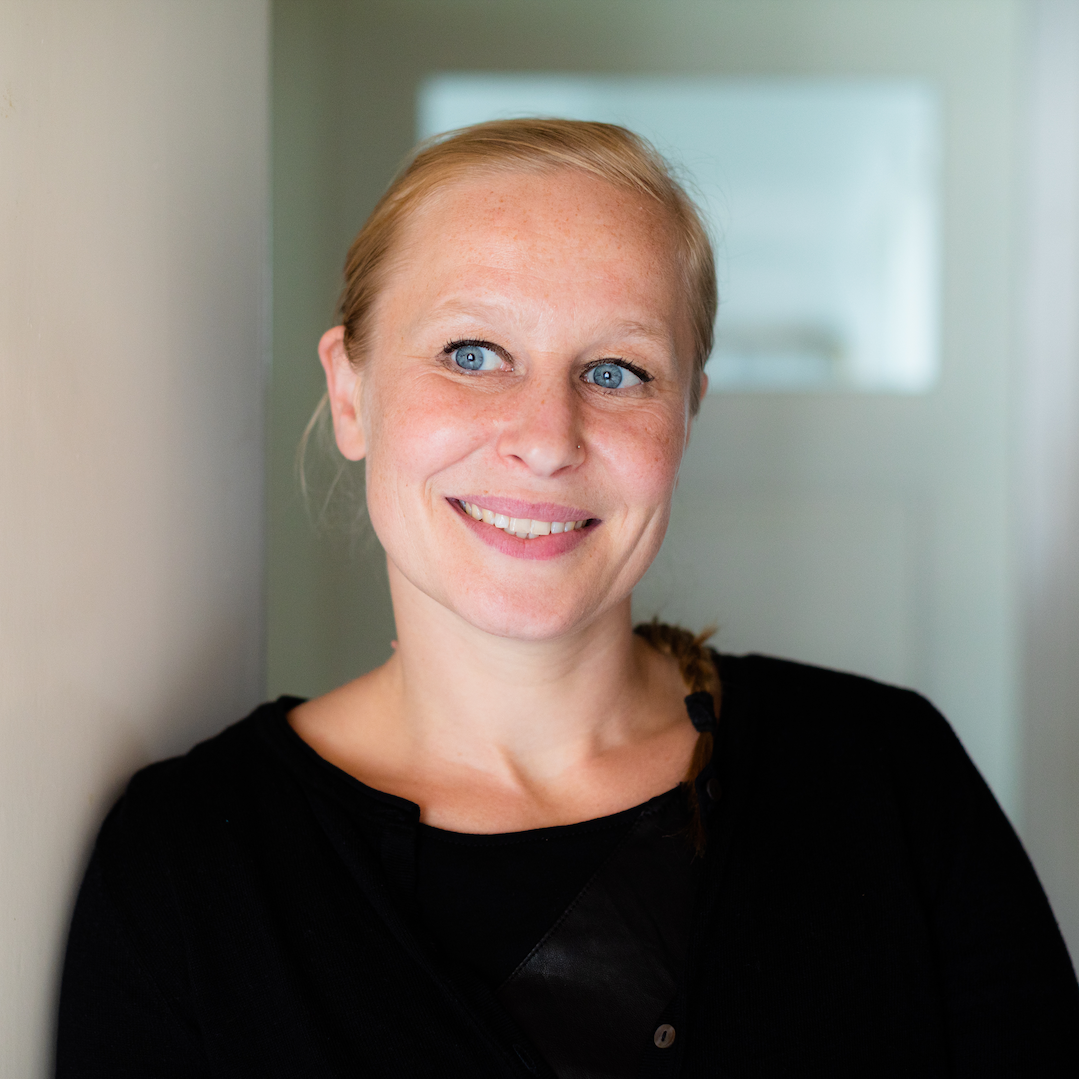
Prof. Dr. Tina Asmussen
Head of the Mining History research unit, Deutsches Bergbau-Museum Bochum & Assistant Professor,
Ruhr-Universität Bochum
tina.asmussen@bergbaumuseum.de
Web profile
“I’m currently working on a research project on mining and landscape transformation in early modern Germany. It seeks do develop new interdisciplinary approaches to investigate anthropogenic and natural transformations of preindustrial landscapes and their long-term effects.”
Research
History of Science and Culture, History of Mining and (Geo-)Resources, Environmental History
Projects
Collaborative project Mining Activities, Public Health Strategies and Pollution Legacies in Europe, 1200-1600 PI: Guy Geltner. Co-Investigators: Tina Asmussen; Giovanna Bianchi (Siena); Léa Hermenault (Antwerp); Nicolas Minvielle Larousse (Rome). Funded by the Faculty of Arts, Health and Medical Research Accelerator Grant, Monash University (AUS).
Interdisciplinary summer school Minescapes: Socio-Natural Landscapes of Extraction and Knowledge in the Middle Ages and the Early Modern Period funded by the VolkswagenStiftung. PIs: Tina Asmussen and Pamela H. Smith (Columbia University). Spring 2024
[Click for more…]
Workshop co-organized with Donna Bilak, Marjolijn Bol, Marieke Hendriksen, Thijs Hagendijk and Matteo Martelli, Gold and Mercury: Metals in Transit, Leiden, June 7-10, 2022 (https://www.lorentzcenter.nl/gold-en-mercury-metals-in-transit.html)
Seminar co-organized with Pietro D. Omodeo, “Past and present waterscapes: geological agency in the longue-durée”, Anthropocene Campus Venice, October 11-16, 2021.
Tina Asmussen, “The Cosmologies of Early Modern Mining Landscapes”, in: Christine Göttler, Mia Mochizuki (eds.): Landscape and Earth in Early Modernity: Picturing Unruly Nature, Amsterdam: Amsterdam University Press 2023, 239–268.
Tina Asmussen, “Spirited Metals and the Oeconomy of Early Modern European Mining”, Earth Sciences History, Special Issue on Early Modern Geological Agency, edited by Tina Asmussen and Pietro D. Omodeo, 39:2 (2020), 371–388.

Dr. Donna Bilak
Director, Active Matter
Goldsmith-Designer, Prima Materia Jewelry
Part-time faculty, New York University, Gallatin School of Individualized Study
dab27@nyu.edu
Prima Materia Jewelry
“I use jewelry as a regenerative material practice by transforming invasive plant biomass into bio-gems. This new approach to environmental care creatively joins together science, humanities, art, industry, and business in the problem-solving process to create a new post-industrial model and a new tradecraft.”
Research
Jewelry Studies, Materials Research, Environmental History, History of Early Modern Alchemy
Projects
Donna Bilak, ed. “Gold and Mercury: Amalgamated Histories in Chemistry, Culture, and Environment.” Ambix: The Journal of the Society for the History of Alchemy and Chemistry, Special Issue, 70:1 (2023)
[Click for more…]
Workshop Director, Gold & Mercury: Metals in Transit @Lorentz Center for Scientific Workshops (Leiden NL) 7–10 June, 2022. Funders: Lorentz Center; SHAC Subject Development Award #SD-1-2021; AlchemEast ERC #724914; DURARE ERC #852732; Descartes Centre; ReForm (Leibniz Science Campus Bochum, “Resources in Transformation”).
Select Publications
Living Then and Now with Gold and Mercury. Gold & Mercury Special Issue, AMBIX, 70.1 (February 2023): 1–6.
(With George Vrtis) Mining, Alchemy, and Environmental Transformation: The Earth as an Alembic. Gold & Mercury Special Issue, AMBIX, 70.1 (February 2023): 31–53.
(With Tara Nummedal) Furnace and Fugue: A Digital Edition of Michael Maier’s Atalanta fugiens (1618) with Scholarly Commentary. (University of Virginia Press, 2020). Awarded the 2022 Roy Rosenzweig Prize, American Historical Association.
Out of the Ivy and into the Arctic: Imitation Coral Reconstruction in Cross-Cultural Contexts. Special Issue, “Rethinking Performative Methods in the History of Science.” Guest Editor, Marieke M. A. Hendriksen. Berichte zur Wissenschaftsgeschichte, 43.3 (September 2020): 341–366.
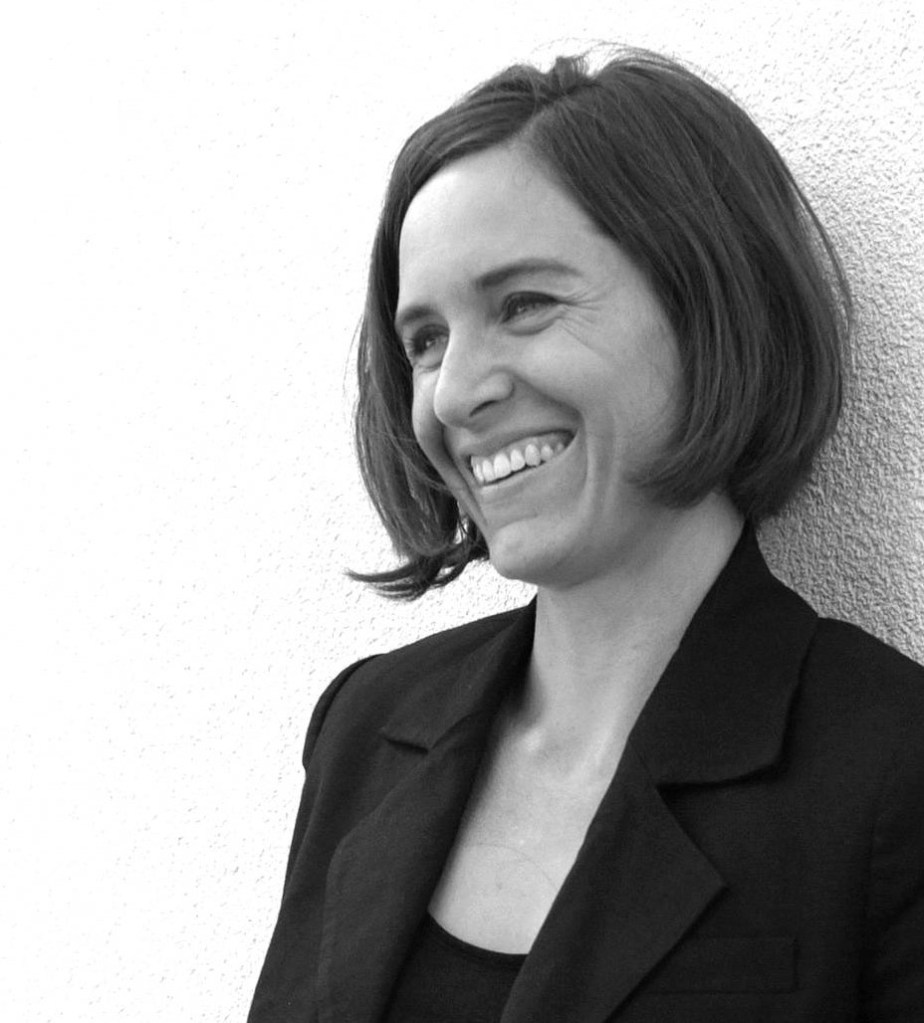
Dr. Hannah Elmer
Historisches Seminar, Leibniz Universität Hannover
hannah.elmer@hist.uni-hannover.de
Web profile
“I’m currently working on two major research projects. The first (in its final stages) focuses on the boundaries between the natural, supernatural, and divine, and the ways that humans try to understand what constitutes life. The second examines fire in late medieval and early modern Europe; here I explore how fire as an “element” informs culture, technology, and the environment.”
Research
Cultural History, History of Science, History of Knowledge, Material Culture, Religious History, Medieval and Early Modern Central Europe
Projects
Book Project: When Dead Babies Breathe: Life, Nature, and the Divine in Late Medieval Europe (in progress)
Co-Editor/Author, Germanness (1500–present), German History Intersections, German Historical Institute, Washington DC, (Fall 2020). https://germanhistory-intersections.org/en/germanness
[Click for more…]
“Crossing the Boundaries of Life: Reanimation in Later Medieval Central Europe,” in Automata, Cyborgs and Mutants – Eccentric Bodies from Humanism to Transhumanism, ed. Jil Muller, Palgrave (forthcoming)
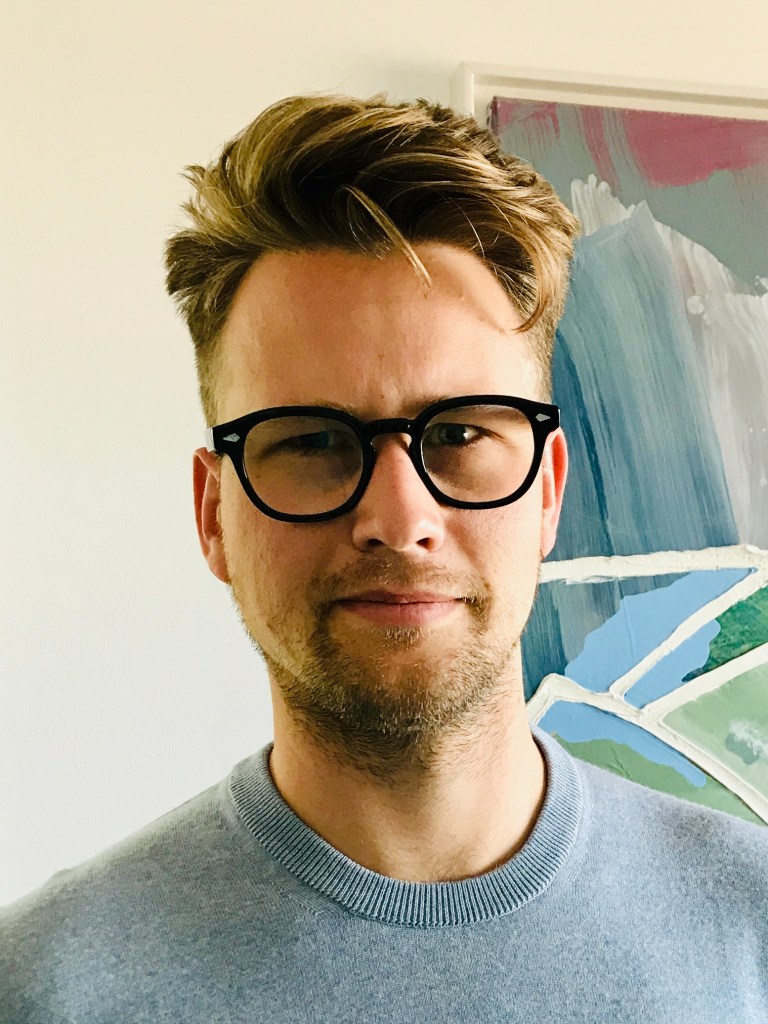
“I am an assistant professor in technical art history and work at the intersection of art history and the history of chemistry. I specialize in performative methods, such as reworking, re-enacting, and reproducing historical techniques, materials, and processes – among other things for educational purposes and public outreach. As of 2021, I can be seen as expert in the Dutch tv-show Het geheim van de meester [Masterpiece].”
Research
History of Practical Knowledge, Chemistry and the Arts, Performative Methods, Historical Materials, Making Processes
Projects
Translation and collaborative annotation of Willem van Laer’s Guidebook for Upcoming Gold- and Silversmiths (1721). Funded by the Netherlands Institute for Conservation, Art and Science (NICAS).
Thijs Hagendijk, Márcia Vilarigues, Sven Dupré. “Materials, Furnaces, and Texts. How to Write about Making Glass Colours in the Seventeenth Century.” Ambix 67 (2020): 323-345. https://doi.org/10.1080/00026980.2020.1826823
[Click for more…]
Marcia Vilarigues, Andreia Ruivo, Thijs Hagendijk, Mario Bandiera, Mathilda Larsson, Luis Alves, Sven Dupré. “Red Glass at Kunckel’s Ars Vitraria Experimentalis. The Importance of Temperature.” Submitted to the International Journal of Applied Glass Science (2022). Forthcoming, published online. https://doi.org/10.1111/ijag.16605
Reworking Recipes. Reading and Writing Practical Texts in the Early Modern Arts. Dissertation. (Utrecht University, 2019). https://dspace.library.uu.nl/handle/1874/397503
Co-authored (first author) with Peter Heering, Lawrence M. Principe, Sven Dupré, “Re-working Recipes and Experiments in the Classroom.” In Sven Dupré, Anna Harris, Patricia Lulof, Julia Kursell, Maartje Stols-Witlox (eds.), Reconstruction, Replication and Re-enactment in the Humanities and Social Sciences. (Amsterdam University Press, 2020). https://doi.org/10.5117/9789463728003
“Unpacking Recipes and Communicating Experience. The Ervarenissen of Simon Eikelenberg (1663-1738) and the Art of Painting.” Early Science and Medicine 24 (2019): 248-282. https://doi.org/10.1163/15733823-00243P02
“Learning a Craft from Books. Historical Re-enactment of Functional Reading in Gold- and Silversmithing.” Nuncius 33 (2018): 198-235. https://doi.org/10.1163/18253911-03302002
Dr. Marieke M.A. Hendriksen
Senior Researcher, NL Lab, Humanities Cluster of the Royal Netherlands Academy of Arts and Sciences (KNAW)
marieke.hendriksen@huc.knaw.nl
Web profile
“My current research focuses on the question how we can understand historical epistemologies of both sensory and aesthetic taste – i.e. how was taste used to acquire and transmit knowledge in the past, and can we taste the past? This research is partly funded by an inaugural KNAW Early Career Award (2019) and an NWO Aspasia Premium (2021).”
Research
Early Modern Material and Sensory Culture of Medicine and Chemistry
Projects
M.M.A. Hendriksen, “Rethinking Performative Methods in the History of Science“, Berichte zur Wissenschaftsgeschichte, Volume 43, Issue 3, 2020, 313-322.
M.M.A. Hendriksen and R.E. Verwaal, “Boerhaave’s Furnace. Exploring Early Modern Chemistry through Working Models“, Berichte zur Wissenschaftsgeschichte, Volume 43, Issue 3, 2020, 385-411.
[Click for more…]
M.M.A. Hendriksen, “Making the body politic through medicine: taste, health and identity in the Dutch Republic 1636-1698,” in M.M.A. Hendriksen, and A. Wragge-Morley, Taste and the History of Science, British Journal for the History of Science Themes series vol. 7 (Cambridge: Cambridge University Press, 2022), 1-23. doi:10.1017/bjt.2022.5
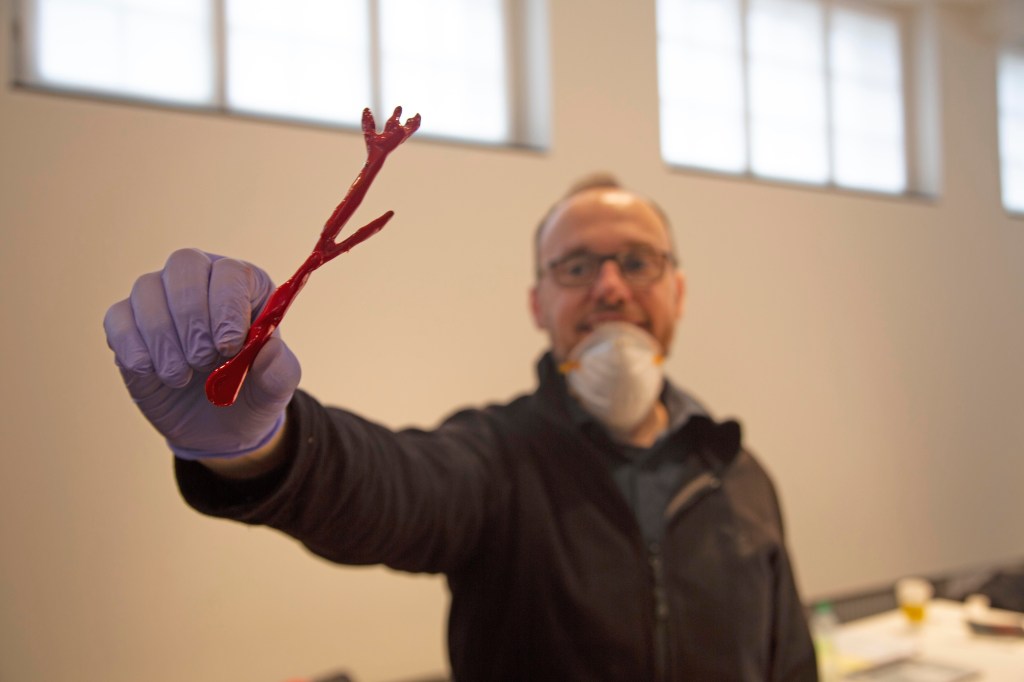
Dr. Dominik Huenniger
Historic Museums Hamburg Foundation – German Port Museum
dominik.huenniger@deham.shmh.de
Web profile
ORCID
“I am the curator for innovation research at the German Port Museum in Hamburg. In our historic quay shed we provide maker spaces for experiencing historic artisanal practices, like welding or rigging. As an environmental historian of science and knowledge, I am interested in studying and practicing such crafts in the framework of sustainable development goals.”
Research
Environmental History, Maritime History and Practice, Sustainable Development, Museum Education and Practice
Projects
“Excursions: Acquiring and Transmitting Knowledge in the Field, Garden, Mine and Factory“. In Spaces of knowledge: the core exhibition at Forum Wissen, ed. by Marie Luisa Allemeyer, Joachim Baur, und Christian Vogel, 40–43. Göttingen: Wallstein, 2023.
Objekte, Bilder, Praktiken. Ein Schmetterlingsnetz und seine materielle Wissensgeschichte, in: WerkstattGeschichte, 83,1 (2021), 115-119
[Click for more…]
“Visible Labour? Productive Forces and Imaginaries of Participation in European Insect Studies, ca. 1680–1810”, in: Berichte zur Wissenschaftsgeschichte, 44, 2 (2021), p. 180-210
“The ‘Normative Forces’ of Difference – Ecology, Economy and Society During Cattle Plagues in the 18th Century”, in: Tim Soens (ed.), COVID-19 & Environmental History. Making Sense of COVID-19 from the Perspective of Environmental History, Special Issue of the Journal for the History of Environment and Society, 5 (2020), p. 91-100
“’Extolled by Foreigners.’ William Hunter’s Collection and the Development of Science and Medicine in Eighteenth-Century Europe”, in: Mungo Campbell, Nathan Flis and María Dolores Sánchez-Jáuregui (eds.), William Hunter and the Anatomy of the Modern Museum, New Haven and London: Yale University Press, 2018, p. 127-141.
“Nets, Labels and Boards: Materiality and Natural History Practices in Continental European Manuals on Insect Collecting 1688-1776”, in: Arthur MacGregor (ed.), Naturalists in the Field. Collecting, Recording and Preserving the Natural World from the Fifteenth to the Twenty-First Century, Leiden et. all: Brill 2018 (Emergence of Natural History; 2), p. 686-705.
“What is a useful university? knowledge economies and higher education in late eighteenth-century Denmark and central Europe”, in: Larry Stewart und Kelly J. Whitmer (eds.): Expectations and utility in eighteenth-century knowledge economies, special issue of: Notes and Records. The Royal Society journal of the history of science, p. 173-194.
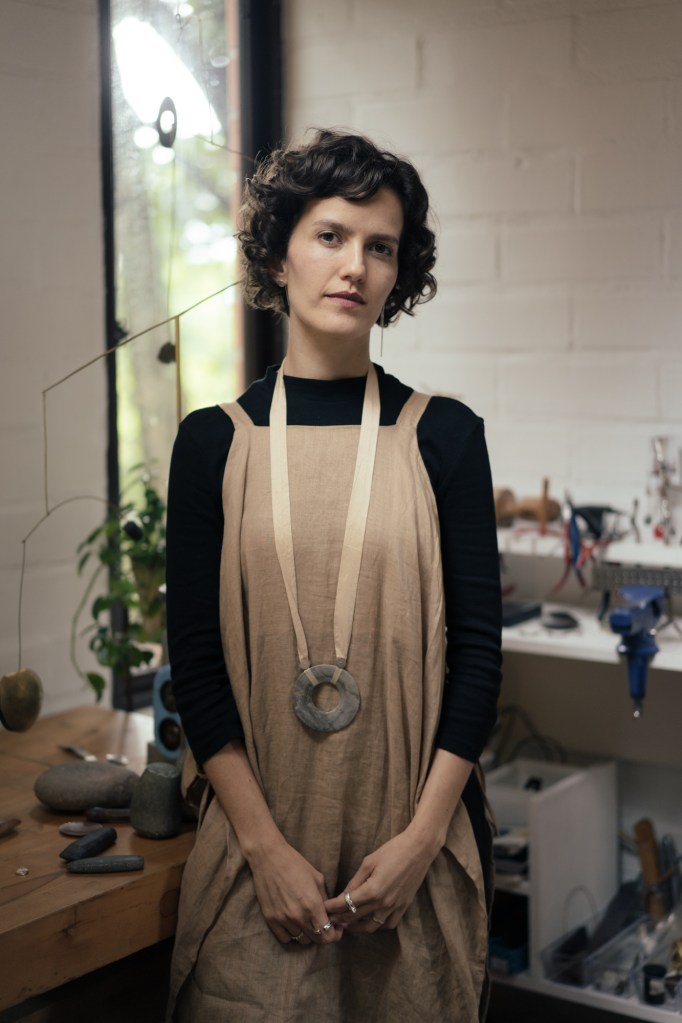
Ana María Jiménez, MFA
Jeweler, Set-Designer, and Independent Scholar
jimenez.am@gmail.com
taller sin borde
“I am a plastic artist, jeweler and architect. My creation space, Taller sin Borde, is a laboratory for moving between the space, the object and the body.
I have a master’s degree in Plastic Arts and Architecture from the National University of Colombia, Medellín. I have studied jewelry with various teachers and schools since 2009 in London, Barcelona, and Colombia as well as participated in individual and collective exhibitions in Colombia, London, Portugal, Spain, Argentina, and Brazil.
In 2018, I began the research project Volver al proceso, where I retrace the work of pre-Colombian goldsmiths to understand their manufacturing techniques and recreate them in my workshop: hammering with stone, making clay molds, casting in fire, and gilding by oxidation.”
Research
Contemporary Jewelry, Pre-Hispanic Techniques, Hammering with Stone, Clay Mold Making, Pre-Hispanic Reconstruction
Projects
Volver al proceso [Return to process]
https://www.behance.net/gallery/121462685/Volver-al-proceso
[Click for more…]
Youtube videos
En busca del equilibrio en el desequilibrio [In search of balance in imbalance]
Hammering with stone
Workshop
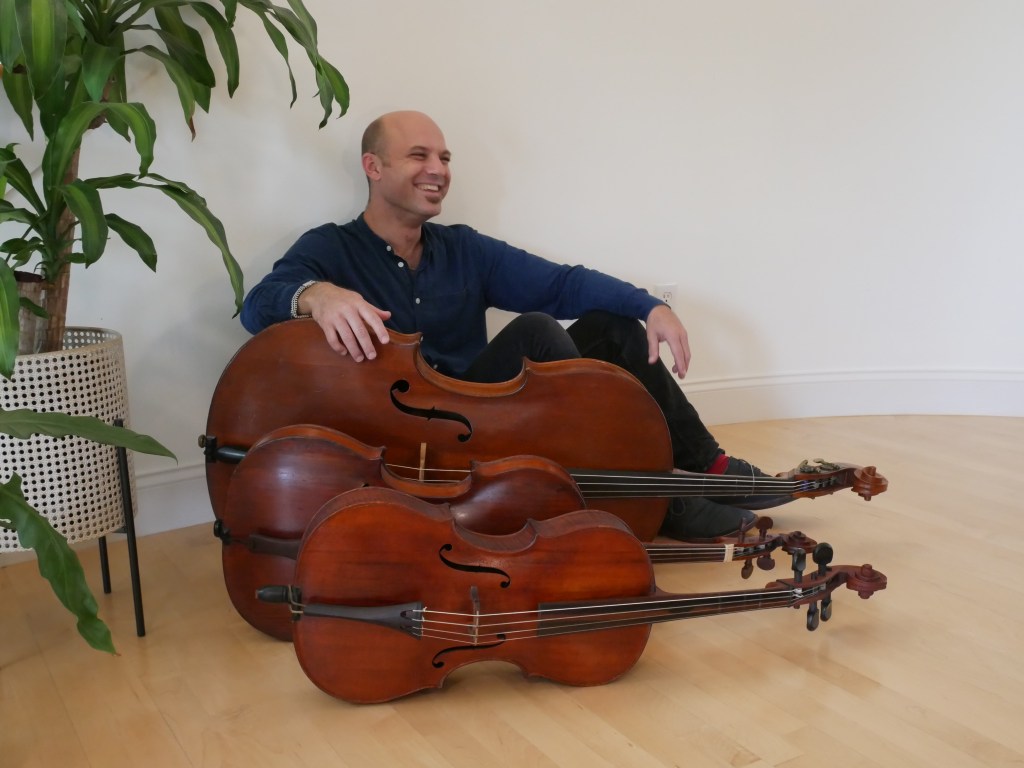
Dr. Loren Ludwig
Lecturer for Medicine, Science and Humanities, Krieger School of Arts and Sciences, Johns Hopkins University
lludwig1@jhmi.edu
Web profile
“As a performer-researcher, I study ways that music and musical technologies (instruments, notation, and performance practices) foster social intimacy and the formation of knowledge and shared meaning. How do musical instruments as objects and sites of ‘thing knowledge’ shape and reflect scientific and technological insights and artisanal practices? What can the restoration and reconstruction of musical instruments and their uses teach us about history and contribute to current art- and meaning-making?”
Research
Organology, Musicology, Material Epistemology, Stringed Instrument Research, Viola da Gamba, Tuning and Temperament, Historical Luthiery, Performance Practice, Polyphonic Intimacy, Early Modern Alchemy and Music
Projects
Book Project: “Ingenious Mechanisms”: New England Viols and Vernacular Luthiery in the Early Republic.
Reconstructing tradition and environment through musical instrument making: Loren Ludwig’s ongoing research and restoration of an 1816 New England tenor viol
[Click for more…]
New England Tenor Viols and a Lost Tradition of Ensemble String Playing c.1780-1840. EMAg: The Magazine of Early Music America. Vol. 30, No. 1 (March 2023).
Select Publications
“J.S. Bach, the Viola da Gamba, and Temperament in the Early Eighteenth Century.” In “J.S. Bach: Tuning and Temperament,” edited by Ross Duffin and Christina Fuhrmann, a special issue of BACH: Journal of the Riemenschneider Bach Institute, Vol. 53, No. 2, 2022
Making Art and the Fight for Freedom. EMAg: The Magazine of Early Music America, Vol. 28, No. 3 (September 2022): 24–9. The article details the role of civil rights luminary Bayard Rustin in the nascent North American early music revival.
“Minimalism and the Post-War Early Music Revival.” In Historical Performance and New Music: Aesthetics and Practices. Edited by Rebecca Cypess, Estelí Gomez, and Rachael Lansang (Routledge, 2023).
“The Viola da Gamba in Eighteenth-Century Virginia and Maryland: New and Reconsidered Evidence.” Journal of the Viola da Gamba Society of America, vol. LI, (2021): 27–66
John Farmer’s Sundry Waies: The English Origin of Michael Maier’s ‘Alchemical Fugues’. In Furnace and Fugue: A Digital Edition of Michael Maier’s Atalanta Fugiens (1618) with Scholarly Commentary. Tara Nummedal and Donna Bilak, eds. (University of Virginia Press, 2020). Awarded the 2022 Roy Rosenzweig Prize, American Historical Association.
“I am a Clinical Associate Professor of Global Liberal Studies at New York University with an interdisciplinary background (PhD Philosophy, Fordham; MS Chemistry, Georgetown). My research focuses process philosophy and the mythological imagination of technoscience in speculative fiction about artificial intelligence. My current research applies machine learning and digital humanities techniques to alchemical texts.”
Research
Philosophy, Artificial Intelligence, Alchemy, Technoscience
Projects
“Kant, Cassirer, and the Idea of Chemical Element” in What is a Chemical Element? (Oxford 2020)
“Redesigning Relations: Coordinating Machine Learning Variables and Sociobuilt Contexts in COVID-19 and Beyond” in The Future Circle of Healthcare (Springer 2022)
[Click for more…]
“Metaphor in Chemistry: An Examination of Chemical Metaphor,” in Philosophy of Chemistry: Growth of a New Discipline (Springer 2015)
“Whitehead on Intuition – Implications for Science and Civilization,” in Intuition In Mathematics and Physics: A Whiteheadian Approach (Process Century 2016)
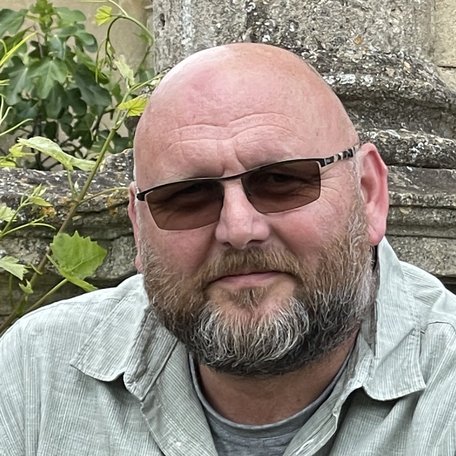
Dr. Peter Oakley
Reader in Material Culture and Co-Lead of the Material Engagements Research Cluster, School of Arts and Humanities, Royal College of Art
peter.oakley@rca.ac.uk
Web profile
“My long-term research interests encompass craft techniques, material analysis, and the sourcing, preparation, transformation, and management of raw materials such as gold, ceramics, and cotton. I also examine the effects these activities have on practitioners’ and audiences’ perceptions, beliefs and actions. More recently I have been focusing on how the global environmental crisis is impacting the creative industries and exploring initiatives attempting to make making more sustainable.”
Research
Material Culture, Craft, Assaying, Gold, Industrial Heritage, Sustainability
Projects
Peter Oakley, “Making Mercury’s Histories: Mercury in Gold Mining’s Past and Present,” Ambix70.1 (2023): 77-98. https://doi.org/10.1080/00026980.2023.2192125
Embedding Carbon Literacy in the Applied Arts. (2023-2024) An engagement project funded by the RCA’s Impact Fund (PO/IF/01)
[Click for more…]
Carbon Measurement Tools in the Creative Industries. (2022-2023) A rapid evidence review for the DCMS funded by the AHRC (AH/X011313/1) https://www.rca.ac.uk/research-innovation/projects/carbon-measurement-tools-in-the-creative-industries-cmtci/
Sustainable Materials in the Creative Industries. (2021-2022) A scoping project funded by the AHRC (AH/V005510/1) https://www.rca.ac.uk/research-innovation/projects/sustainable-materials-creative-industries/
Oakley, P. (2022) ‘Searching for Pure Gold: the rise and impact of ethical gold certification programmes in the UK and Switzerland 2011-2021’, Environmental Science and Policy Vol.132. https://doi.org/10.1016/j.envsci.2022.02.016
Oakley, P. (2020) ‘Is Gold Jewelry Money?’ in: Sandy Ross and Mario Scmidt (eds), Money Counts: Revisiting Economic Calculation: New York & Oxford: Berghahn. https://doi.org/10.1515/9781789206869
Oakley, P. (2018) ‘After Mining: contrived dereliction, dualistic time and the moment of rupture in the presentation of mining heritage’, Extractive Industries and Society Vol.5 No.2. https://doi.org/10.1016/j.exis.2018.03.005
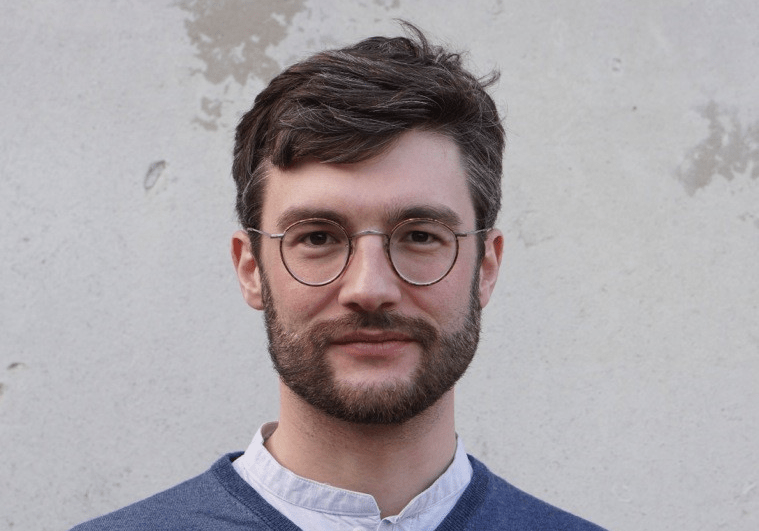
Dr. Tillmann Taape
Institute for the History of Medicine and Ethics in Medicine, Charité, Berlin
tillmann.taape@charite.de
Web profile
“I am in the early stages of a new project on the history of distillation, as a technology of making things and of knowing nature and the body in the early modern period. I am planning to include reconstructions of distillation processes, to understand them historically, but also to see what we can learn from them with respect to present-day concerns about medical technologies and more sustainable ways of managing material resources.”
Research
History of Science, History of Medicine, History of Alchemy, Book History, Historical Reconstruction
Projects
Taape, T. (forthcoming 2023) Surgery. Routledge Encyclopedia of the Renaissance World.
Taape, T. (2021) Common Medicine for the Common Man: Picturing the ‘Striped Layman’ in Early Vernacular Print. Renaissance Quarterly 74, S 1–58.
[Click for more…]
Taape, T.; Smith, P.H. und Uchacz, T.H. (2020) Schooling the Eye and Hand: Performative Methods of Research and Pedagogy in the Making and Knowing Project. Berichte zur Wissenschaftsgeschichte 42, S 323–340.
Smith, P.H.; Rosenkranz, N.; Uchacz, T.H.; Taape, T. et al. (Hg.) (2020) Secrets of Craft and Nature in Renaissance France. A Digital Critical Edition and English Translation of BnF Ms. Fr. 640. New York: Making and Knowing Project.
Taape, T. (2014) Distilling Reliable Remedies: Hieronymus Brunschwig’s Liber de arte distillandi (1500) Between Alchemical Learning and Craft Practice. Ambix 61, S 236–256.
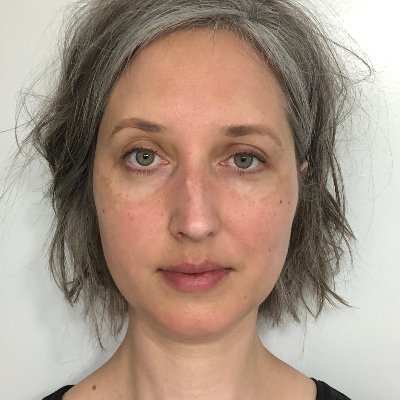
Dr. Tianna Uchacz
School of Performance, Visualization & Fine Arts, Texas A&M University
thu@tamu.edu
Web profile
“My current project, “Ornament : Design : Translation,” explores a little-studied corpus of sixteenth-century engraved ornament designs. I use historical making techniques to reconstruct, in the modern workshop and chem lab, the process of translating the printed designs into various craft media, offering insight the tacit knowledge and undocumented intermediary stages in early modern craft making.”
Research
Early Modern Craft Practice; Netherlandish Art History; Material Culture Studies; Digital Humanities
Projects
Tianna Helena Uchacz, “Reading Between the Lines: Ornament Prints as Technical Literature,” Centaurus, under review.
Tillmann Taape, Pamela H. Smith, Tianna Helena Uchacz, “Schooling the Eye and Hand: Performative Methods of Research and Pedagogy in the Making and Knowing Project,” in Rethinking Performative Methods in the History of Science, special issue of Berichte zur Wissenschaftsgeschichte 43, no. 3 (2020) 323–40.
[Click for more…]
Making and Knowing Project, Pamela H. Smith, Naomi Rosenkranz, Tianna Helena Uchacz, Tillmann Taape, Clément Godbarge, Sophie Pitman, Jenny Boulboullé, Joel Klein, Donna Bilak, Marc Smith, and Terry Catapano, eds., Secrets of Craft and Nature in Renaissance France. A Digital Critical Edition and English Translation of BnF Ms. Fr. 640 (New York: Making and Knowing Project, 2020), https://edition640.makingandknowing.org.
Pamela H. Smith, Tianna Helena Uchacz, Sophie Pitman, Tillmann Taape, Colin Debuiche, “The Matter of Ephemeral Art: Craft, Spectacle, and Power in Early Modern Europe,” Renaissance Quarterly 70, no. 1 (2020), 78–131.
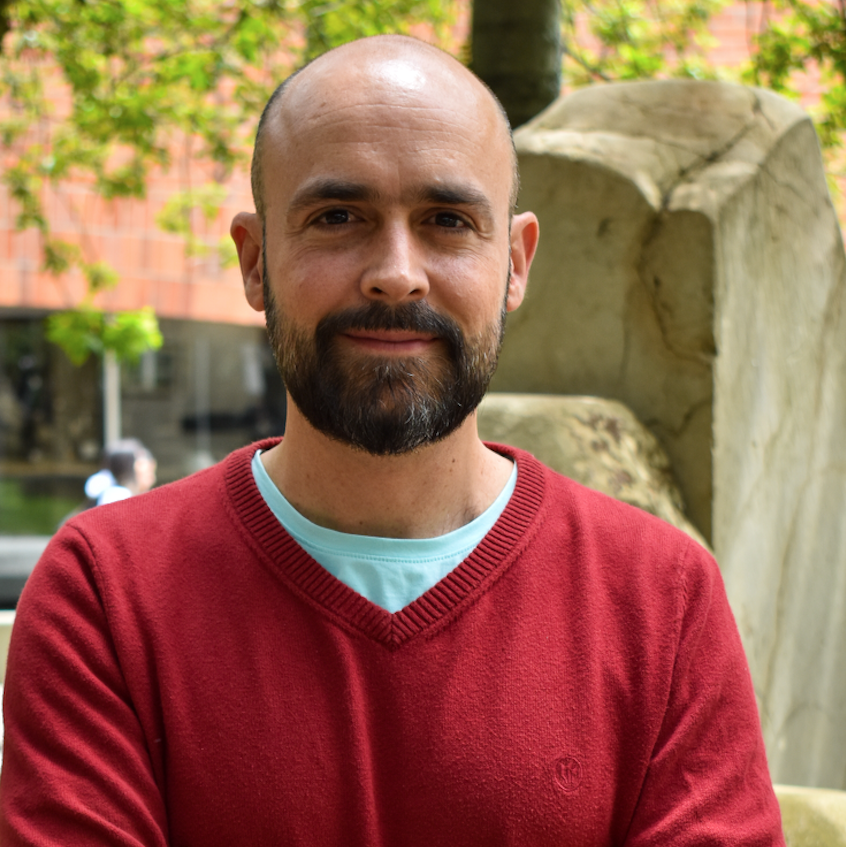
Prof. Dr. Andrés Vélez-Posada
Full Professor at Universidad EAFIT, School of Arts and Humanities
avelezp6@eafit.edu.co
Web profile
Academia.edu
“In my current research I explore the histories of production, transformation and circulation of mineral matter, knowledge, and ingenuity in the Americas. I use emerald, gold and copper objects to ask questions regarding politics and economies of mining exploitation, environmental cognition, artisanal making, as well as philosophical and cosmological ideas associated with their uses.”
Research
History and Philosophy of Knowledge, Early Modern Science and Art, Politics of Knowledge in the Americas, Historical Cartography and Geography
Projects
Generative Powers: Juan Huarte and the Culture of Early Modern Ingenuity, book under contract with Pittsburgh University Press.
2022 (with Gregorio Saldarriaga) “Taste and mining culture in early modern Spanish worlds”, British Journal for the History of Science Themes, Vol. 7, 95-115. doi: 10.1017/bjt.2022.2
[Click for more…]
2021 “Handstein: The Generative Power of a Mineral Artifact”. In: Oosterhoff, Richard; Marcaida, José Ramón and Marr, Alex (Ed). Ingenuity in the Making. Matter and Technique in Early Modern Europe, Pittsburgh, University of Pittsburgh Press, pp. 50-62.
2020 “Genius, as ingenium”. In: Jalobeanu, D., Wolfe, C. (eds) Encyclopedia of Early Modern Philosophy and the Sciences. Springer, Cham. Doi: https://doi.org/10.1007/978-3-319-20791-9_376-1
2020 “Los valles andinos del Nuevo Reino de Granada: cartografías, baquianos y políticas del trópico americano”, Nuevo Mundo Mundos Nuevos, doi: 10.4000/nuevomundo.83047
2020 “El estrecho de Magallanes: Ingenio de la tierra”, Anales de Literatura Chilena, Vol. 21 (2): 21-51. doi: https://doi.org/10.7764/ANALESLITCHI.33.01
2020 (with Mauricio Onetto) “De Panamá a Magallanes: pasajes-mundo y secretos de la tierra desde la figura de Juan Ladrillero”, Revista Trashumante, Vol. 16 (2): 34-57. doi: https://doi.org/10.17533/udea.trahs.n16a03
2020 “Place as Argument”, Argumentation, Vol. 34 (1), doi: 10.1007/s10503-019-09490-2
2017 (with Leonardo Carrio) “Entre le ciel et la terre: cosmographie et savoirs à la Renaissance”, L’Atelier du Centre de recherches historiques, EHESS, 17, doi: 10.4000/acrh.7943
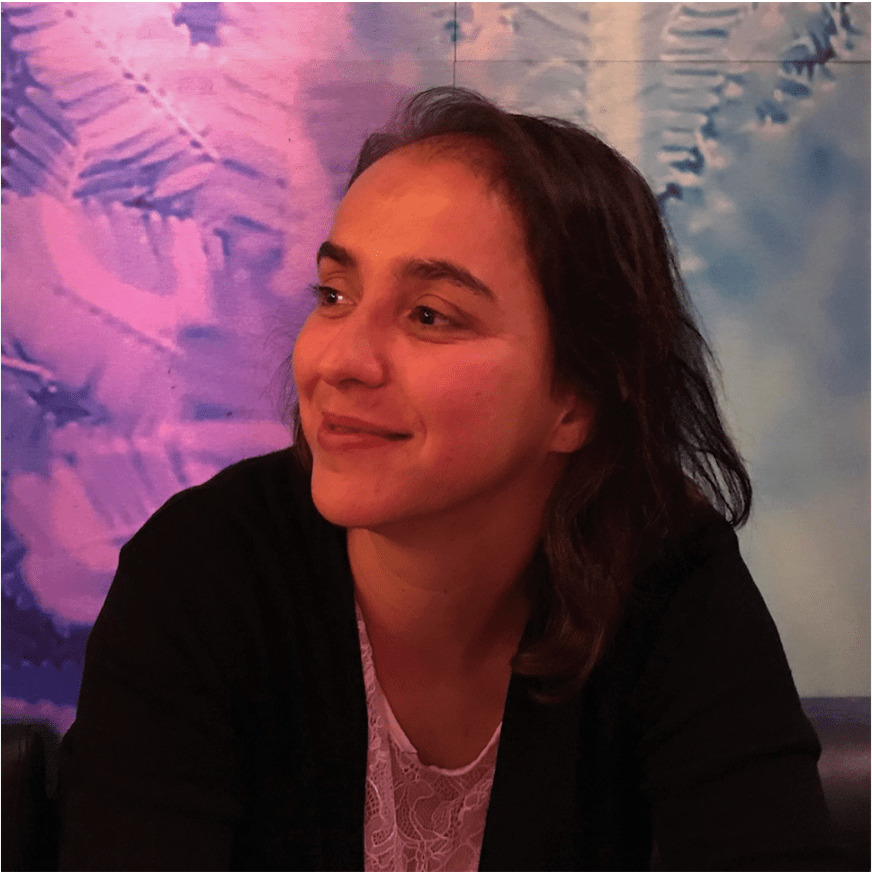
Dr. Márcia Vilarigues
NOVA FCT, Dep Conservation and Restoration and VICARTE
mgv@fct.unl.pt
Web profile
VICARTE profile
“I work in the field of Conservation and Restoration of Cultural Heritage in the area of Technical Art History and Materials Degradation. My research is strongly shaped by interdisciplinary interests and principally focuses on the preservation of our material cultural history. My research on the glass history and glass making, is focus on re-thinking the ways these two topics can be studied and how to make technical art history, with its focus on materiality and making, one of the most prominent tools to the studies of materials degradation, seeking a close alliance with expertise in museums and conservation.”
Research
Conservation Science, Technical Art History, Glass, Craft Production of Hand-painted Glass
Projects
 Santos, V Otero, M Vilarigues, “Magic Lantern Glass Slides: A Literature Review,” Studies in Conservation, 1-15.
M Vilarigues, A Ruivo, T Hagendijk, M Bandiera, M Coutinho, LC Alves, …, “Red glass in Kunckel’s Ars Vitraria Experimentalis: the importance of temperature,” International Journal of Applied Glass Science
[Click for more…]
“Grisailles: reconstruction and characterization of historical recipes,” Int J Appl Glass Sci. 2020, 11, 756–773, https://doi.org/10.1111/ijag.15793
“Magic Lantern Glass Slides Materials and Techniques: the First Multi-Analytical Study,” Heritage, 2 (2019), 2513–530 https://doi.org/10.3390/heritage2030154
“Blue enamel pigment – chemical and morphological characterization of its corrosion process,” Corrosion Science 139 (2018), 235–242
C Machado, M Vilarigues, T Palomar, “Historical grisailles characterisation: A literature review,” Journal of Cultural Heritage 49, 239-249
AJ Rodrigues, ML Coutinho, A Machado, BA Martinho, LC Alves, …, “A transparent dialogue between iconography and chemical characterisation: a set of foreign stained glasses in Portugal,” Heritage Science 9
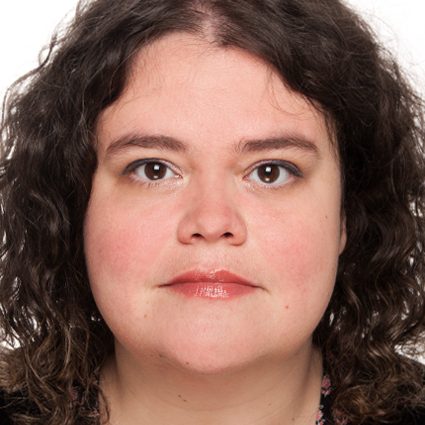
“I am a Senior Lecturer in Jewellery and Metal at the Royal College of Art. I trained at the University of St.Andrews (2001), the Edinburgh College of Art (2006), the Royal College of Art (2010) and the University of Dundee (2017). My research focuses on sustainable craft practice centred on novel materiality and how digital making processes can be combined with traditional technologies to produce new hybrid methodologies.”
Research
Alchemical Practice, Digital Making, Smart Materials, Wearable Futures, Materiality
Projects
Ferraro, Emilia, Wilson, Sandra, and Vones Katharina. “Metalwork in the Andes and Japan: A Comparative Study.” Silver Studies 38 (2022): 98–107.
VONES, K. 2019. Alchemical Practice and Material Knowledge. In: BORGDORFF, H., PETERS, P. & PINCH, T. (eds.) Artful Ways of Knowing – Dialogues between Artistic Research and Science & Technology Studies, Routledge, New York & Oxon, 155-166.
[Click for more…]
VONES, K, LAMBERT, I. 2019. Material Reality to Materiality: Ocean Plastic and Design Research. In: RODGERS, P. (ed.) Design Research for Change, Lancaster University, Lancaster, 395-412.
VONES, K. 2018. Materials Libraries – A Jeweller’s Perspective. The Journal of Jewellery Research, 1, 34-50.
VONES, K. Crafted Evolution – The Creation of the HyperHive Series. In: DURRANT, A. & YEE, J. (eds.), Research Through Design 2017: New Disciplines of Making – Shared Knowledge in Doing Proceedings, 2017 Edinburgh. 17-30.
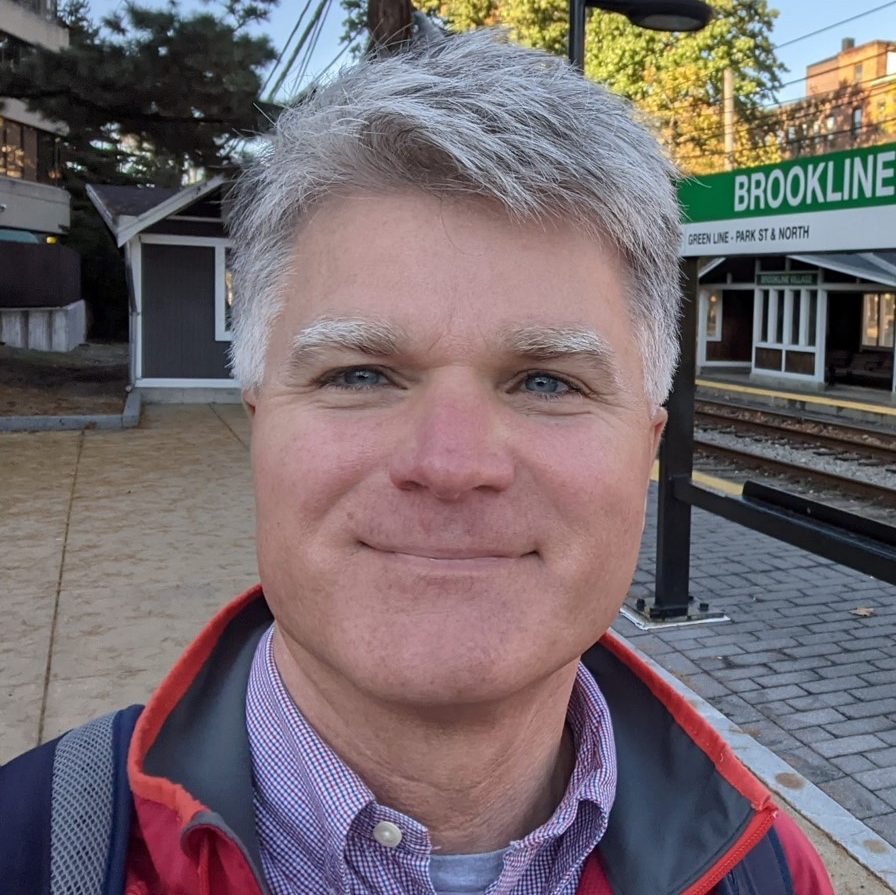
“I am an environmental historian focused primarily on the United States and North America. My research and writing has concentrated on mining and resource use, urban environments, conservation strategies, and the preservation and meaning of wilderness. I am particularly interested in questions that center the struggle to understand and forge healthy and just human and ecological communities in the midst of an ever-changing world.”
Research
Environmental History, Mining and Resource Use, Urban Environments, Conservation and Wilderness
Projects
George Vrtis and Christopher W. Wells, eds., Nature’s Crossroads: The Twin Cities and Greater Minnesota (Pittsburgh: University of Pittsburgh Press, 2022).
J. R. McNeill and George Vrtis, eds., Mining North America: An Environmental History since 1522 (Berkeley: University of California Press, 2017).
[Click for more…]
Donna Bilak and George Vrtis, “Environmental Alchemy: Mercury-Gold Amalgamation Mining and the Transformation of the Earth,” in “Special Issue – Gold and Mercury: Amalgamated Histories in Chemistry, Culture, and Environment,” Ambix: The Journal of the Society for the History of Alchemy and Chemistry 70:1 (February 2023): 31-53.
 Active Matter